
At a glance
| Rent | Buy | |
|---|---|---|
| Commitment | Monthly, or even a single day for an event | You own it until you sell, give away or dispose of it |
| Upfront cost | Delivery charge and the first payment | The full price or a financing agreement, plus delivery |
| Moving out | The company collects it; check the pickup charge | You arrange and pay for the move |
| Choice | The company’s rental stock | Anything on the market, new or used |
| Upkeep | Ask whether tuning is included | Tuning and repairs are yours |
| Best for | Beginners, short stays, trying a size in your apartment | Committed players who expect to stay put |
Choose rent if
a child is starting lessons, you may move soon, or you want to test how a piano works with your building and neighbors.
Choose buy if
the player is committed, you plan to stay and you want to choose the exact instrument.
Renting is a very New York way to start. Leases turn over, children try instruments and drop them, and a piano that seemed perfect in a showroom can turn out to be too loud for the building. Several city piano companies say on their websites that they rent pianos by the month, and at least one rents for a single day. Buying makes sense once you know the piano will be played and the apartment can live with it.
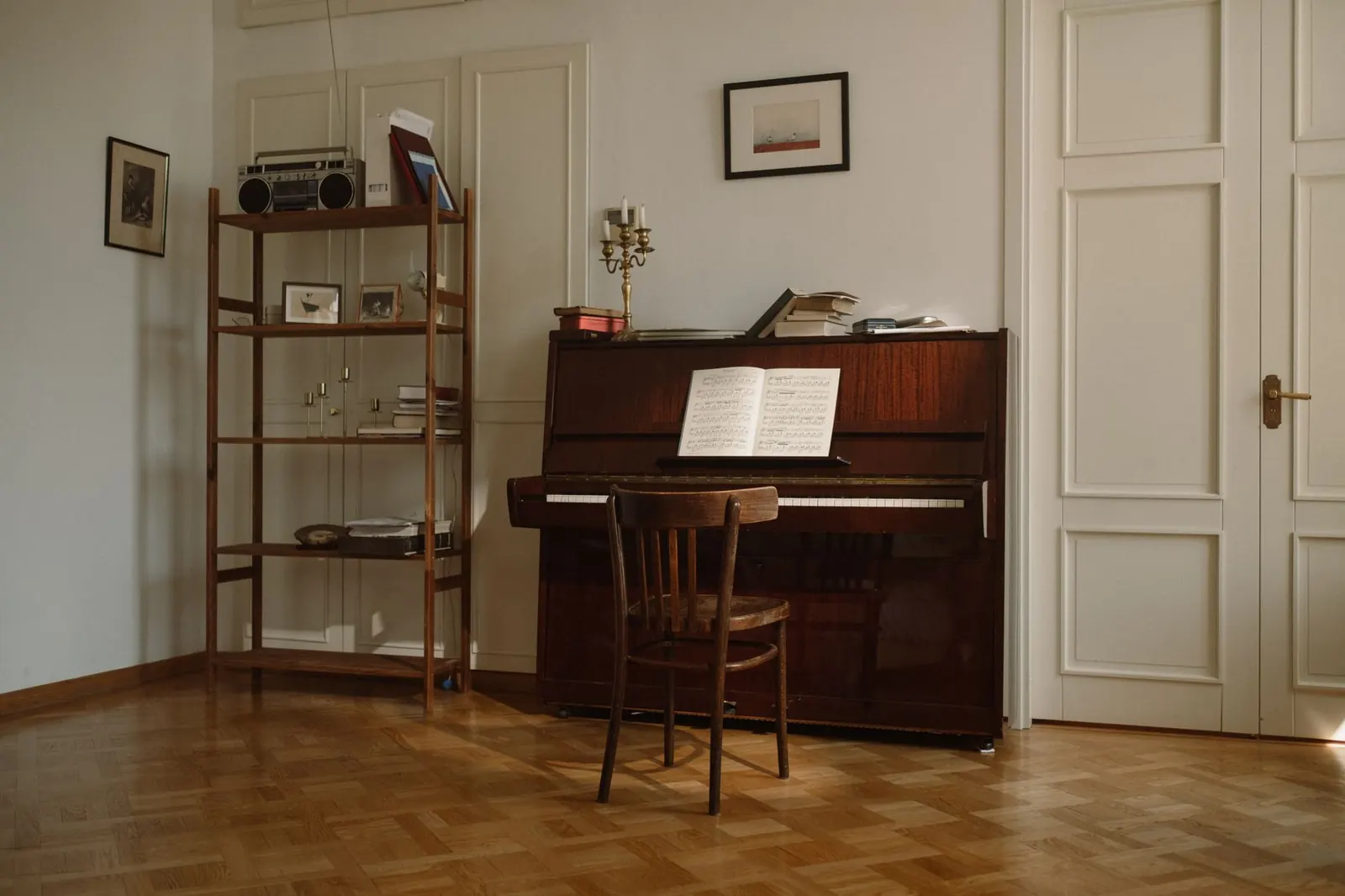
How piano rentals usually work
Terms vary by company, so treat the points below as questions to ask rather than a description of any one offer.
- Is there a minimum rental period, and what happens if you end early?
- What do delivery and pickup cost, and do they depend on stairs or elevator access?
- Is tuning included, and how often?
- Who pays if the piano is damaged in your apartment?
- Can you swap for a different size if the first one does not work?
Get the answers in the rental agreement itself, not only in a phone call. The FTC’s consumer guidance makes the same point about spoken promises: if a salesperson promises something, get it in writing.
Rent-to-own
Some companies apply part of the rental payments toward buying the piano later. This can work well when you are unsure but hopeful: the child who keeps practicing ends up with an instrument the family already knows. Before signing, ask how much of each payment counts toward the purchase, for how long, and what the final price would be. Compare that total with the price of a similar piano bought outright today.
Renting for a single event
Not every rental is about practice. At least one city company says on its website that it rents pianos for a single day, which suits a recital at home, a party or a filmed performance. The same questions apply, with two more: how long before the event the piano arrives, and whether a tuning on the day is included. Tell the company about stairs, elevators and building delivery rules, because a one-day rental still has to get in and out.
When buying is the better deal
Once you are sure, buying gives you the widest choice and, over a long stay, it can cost less than paying rent every month. You can pick new or used, choose the size that suits the room and have it inspected before you pay. Our guides to New or Used Piano: What Changes When You Buy in New York and Your Rights When Buying a Piano in New York cover the choices and the rules. New York City’s combined state and local sales tax rate is 8 7/8 percent, according to the state tax department, so include tax when you compare a purchase with a rental.
Tip: Renting for a few months is also the cheapest way to find out how your building reacts. If the neighbors are fine and the piano survives its first heating season well, you can buy with more confidence.
Budgeting both ways
| Cost | Renting | Buying |
|---|---|---|
| Monthly | Rental payment | Financing payment, if any |
| Moving | Delivery and final pickup | Delivery now and every future move |
| Tuning | Sometimes included | Always yours |
| At the end | Nothing to sell | Resale value, or the cost of getting rid of it |
Moving costs deserve special attention in the city. A piano on the fourth floor of a walk-up costs more to move than one near a freight elevator, and you will pay again whenever you move out. See Moving a Piano in New York City: Licenses, Estimates and Damage Claims.
When you no longer need the piano
A rented piano goes back to the company. An owned one needs a plan, and it is worth thinking about before you buy, especially if you rent your apartment.
Sell or trade it
A working piano in good condition can be sold privately or, in some showrooms, traded in toward another instrument. Ask the dealer for trade-in terms in writing.
Donate it
Schools, community centers and houses of worship sometimes accept pianos in playable condition. Call before you arrange a mover, since many cannot take an instrument that needs major repairs.
Curbside collection
The city’s Department of Sanitation collects large items at the curb for free. Its guidance says residents can set out up to six large items per collection day, that non-recyclable large items go out on the trash day rather than the recycling day, and that pick-up appointments are no longer offered. The catch with a piano is getting it to the curb, which usually still means paying movers. Check your collection schedule on the Department of Sanitation’s site or call 311.
A simple way to decide
If you cannot answer yes to all three of these questions, rent first: will someone play this piano most days, can your building take it without trouble, and do you expect to live here for several years? When all three answers are yes, buying is often the better use of the money.