
At a glance
| New | Used | |
|---|---|---|
| Condition | Known; nothing has worn yet | Depends on age, use, climate and past repairs; needs checking |
| Warranty | Usually a written manufacturer’s warranty you can read before buying | Anything from a dealer’s written warranty to none at all in an “as is” sale |
| Price | Highest for the model | Lower for the same size, with a wide range by condition |
| Choice | Current models from the showroom floor | Older models and makers too, plus rebuilt instruments |
| Paperwork | Store receipt, warranty, delivery terms | From a store, the same; from a private seller, often just a receipt you write yourself |
| Risk | Low, if the warranty is honored | Higher, lowered by an independent inspection before you pay |
Choose new if
you want a known condition and a written warranty, and the budget covers the model you like.
Choose used if
you want more piano for the money or an older instrument, and you are willing to have it inspected first.
A good used piano can be a better instrument than a new one at the same price, and a poor one can cost more to fix than it is worth. New pianos cost more but come with a known condition and, usually, a written warranty. In New York City you will find both on the same showroom floors, next to rebuilt instruments, rentals and private sales listed online.
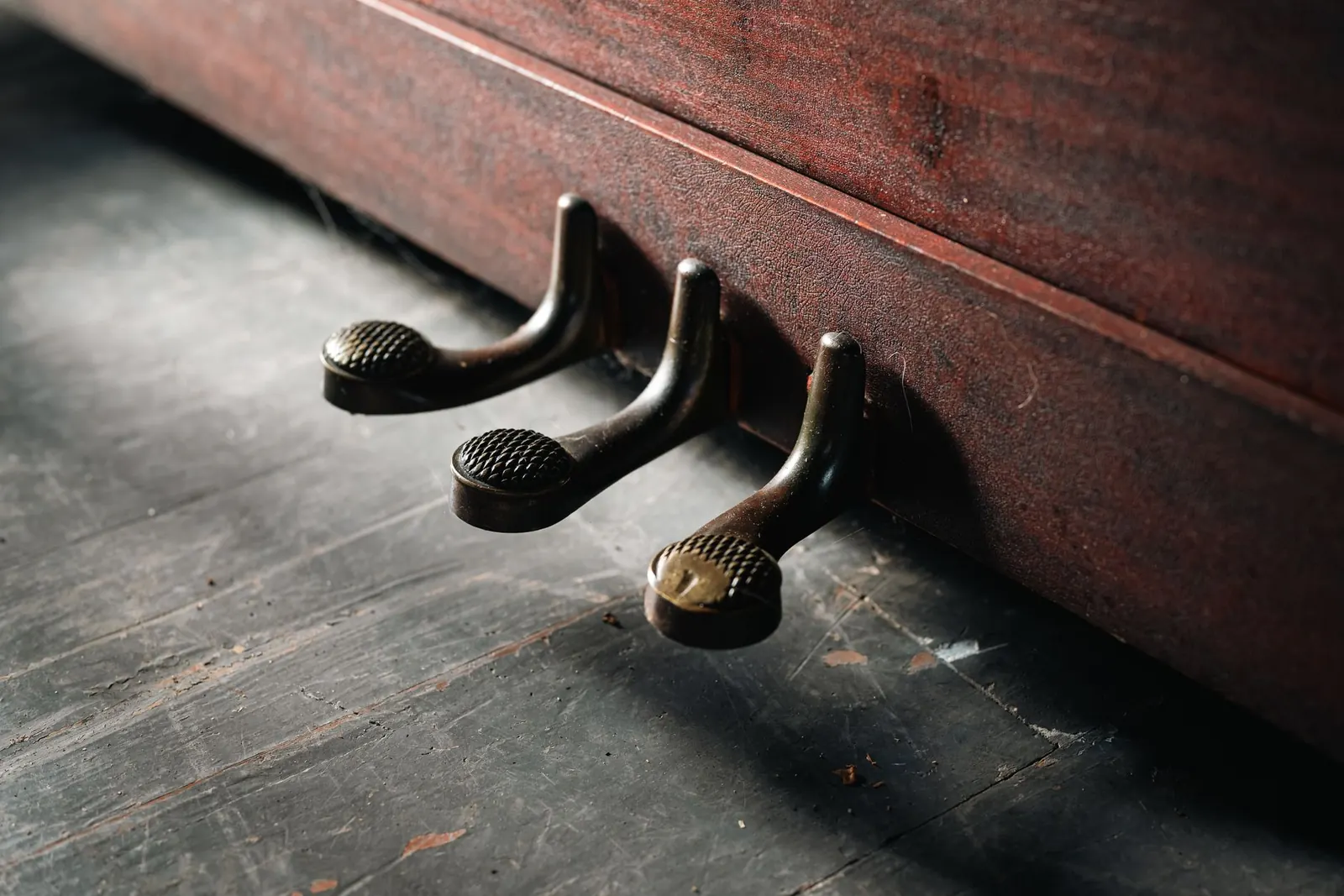
Three kinds of used piano
“Used” covers very different instruments, and the difference matters more than the brand name on the fallboard.
- Sold as is. The piano is sold in its current condition, often by a private owner or a building clearing an apartment. What you see is what you get.
- Reconditioned. A dealer has cleaned, adjusted, repaired and tuned the piano, replacing worn parts as needed.
- Rebuilt. Major parts such as strings, hammers or the soundboard have been replaced or restored, often in a workshop. Some New York showrooms rebuild pianos in their own restoration shops.
Ask which of the three you are looking at and ask for the list of work done in writing. “Restored” and “refurbished” are not defined terms, so the list matters more than the label.
Warranties: new, used and grey market
The Federal Trade Commission’s consumer guidance says that whenever there is a warranty, the law requires it to be available for you to read before you buy. It suggests checking how long the coverage lasts, which parts and repairs it covers, whether you have to go through the manufacturer or the seller, and who pays for labor. Keep a copy of the warranty and the receipt.
New York adds a rule that matters for pianos in particular. Under General Business Law section 218-aa, a store that knowingly sells grey market goods, meaning brand-name products imported outside the manufacturer’s authorized US distributor, must post a sign saying, as applicable, that the product does not come with the manufacturer’s US warranty, does not come with English instructions or is not eligible for a manufacturer’s rebate. If you are offered a new piano at a price that seems low for the model, ask directly whether it came through the maker’s US distributor.
What “as is” means
The FTC explains that state laws create implied warranties, such as the promise that a product will do what it is supposed to do, which cover products even without a written warranty. A seller can remove them by giving written notice that there is no warranty or by marking the product “as is,” where state law allows. An “as is” piano is therefore one where repairs after the sale are your problem. That is not a reason to avoid it, only a reason to have it checked first.
Tip: Pay a piano technician to inspect a used instrument before you commit. The fee is small next to the cost of a cracked pinblock or a set of worn hammers, and a technician who is not selling you anything has no reason to be kind to the piano.
Refunds and deliveries from a store
New York’s General Business Law section 218-a requires stores to post their refund policy, including whether they give refunds on “as is” or sale merchandise, whether it is cash or store credit and any restocking fee. If a store does not post one, the law lets a buyer return unused merchandise for a refund or credit within thirty days of purchase. Pianos are rarely “unused” once delivered, so read the posted policy before you pay. The full picture is in Your Rights When Buying a Piano in New York.
Buying from a private seller
Private sales are common in the city, often when someone moves. They can be good value, but you usually get no warranty, no refund policy and no delivery. Before you agree:
- See the piano in person and play every key.
- Bring a technician or send one; our Checking a Used Piano Before You Pay checklist shows what they look at.
- Ask where it has stood, especially whether it was near a radiator or a sunny window.
- Get a quote from a licensed mover for both apartments before you pay, since stairs at either end change the price.
- Write a simple receipt with the price, the date, the serial number and both names.
Questions people ask
Is an older piano always a risk?
No. Age matters less than how the piano was kept and what work has been done. A well-maintained older instrument can outlast a neglected newer one.
Does a used piano need tuning after delivery?
Almost always. A move and a change of room affect tuning, so plan for a tuning once the piano has settled into its new home.
Can I trade in my old piano?
Some showrooms accept trade-ins or offer trade-up policies, and at least one Manhattan dealer advertises one. Ask for the terms in writing. The alternatives, including selling, donating and curbside collection, are covered in Renting or Buying a Piano in NYC.